
Ceremonial cocoa. What is it? How to prepare it? - here are 5 recipes
Featured products Learn more about our offer
View products
What is ceremonial cocoa?
Cacao is a native plant of South America that was used by the continent's indigenous peoples as early as several thousand years ago, as evidenced by traces of cacao use from areas in present-day Ecuador. The Mayans and Aztecs - societies traditionally inhabiting Central and South America - saw cacao seeds primarily as food, but the plant and its fruits also had enormous symbolic significance for them. Access to cocoa beverages, for example, could indicate a person's status; in addition, in Aztec and Mayan beliefs, cocoa had ritual or ceremonial functions, and cocoa products were ascribed divine origins and supernatural properties. Finally, South American cultures also used cacao beans as a means of payment. In one form or another, the importance of this product in pre-Columbian cultures could not be overstated - this is indicated, for example, by an archaeological find that is a huge 4-liter cup for a cacao beverage. And suddenly the slogan “just one more cup” takes on a completely different character!
Find out more about the history of cocoa in this article.
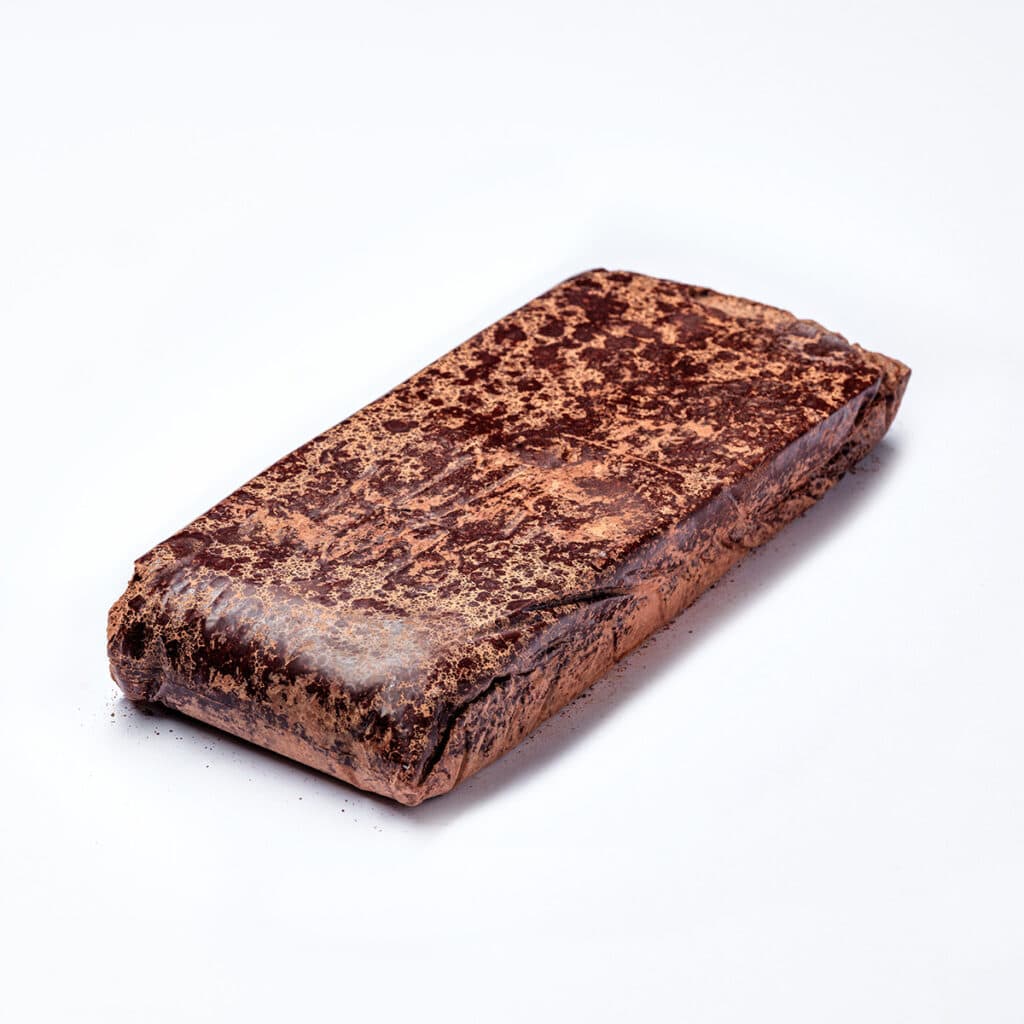
Here, however, we will address the answer to the question: what is ceremonial cocoa? ceremonial cocoa is nothing more than non-fat cocoa without additives. These are pure ground cocoa beans that, when solidified, take the form of hard but crumbly blocks.


But why this specific name? It comes from the fact that this is the kind of cocoa that is used in a cocoa ceremony, that is, when consuming a cocoa beverage together. In practice, however, ceremonial cocoa could be referred to by another name: it is real cocoa. Real in the sense that it has not been stripped of anything contained in the cacao seeds themselves. The product we find in all our kitchens is usually low-fat cocoa powder (such as 11%). The one in question here, however, is full-fat cocoa. That's because the whole secret is in the fat: it's in it that such beneficial substances as phenylethylamine, anandamide and theobromine are dissolved. So full-fat cocoa is the pure essence of health from the cocoa fruit!
Guayaquil cacao plantation and fruit
Cocoa ceremony
A cocoa ceremony is called a meeting of lovers of such full-fat cocoa, during which larger doses of cocoa are drunk (about 40-50g per person). Such an amount of cocoa has a very pleasant effect on one's mood: a person relaxes, has a better mood, wants to dance, sing, hug - that's why a cocoa ceremony perfectly brings people together. Real cocoa guarantees an intense, deep flavor, which when shared with others takes on even more color. It's worth joining or even organizing a cocoa ceremony yourself, together with your loved ones - but before that, it's good to prepare yourself by reading a little more about the types into which ritual cocoa is divided, as well as the different recipes for preparing the drink!
Types of cocoa
It is traditionally accepted that there are three basic species of cocoa, namely:
- Criollo
- Trinitario
- Forastero
however, this division is very, very simplistic and definitely does not reflect one hundred percent of reality, because cocoa very readily interbreed with each other and even within a single plantation, or perhaps an alley, we can deal with many different species of cocoa. In Peru alone, researchers have distinguished as many as 10 species of cocoa.
You can read more about the species and types of cocoa here - we'll take a look at these three basic branches for the moment. And let's answer the question: which ceremonial cacao is the best? Criollo, trinitario, or maybe forastero?
One can encounter a rather popular opinion that only cocoa made from the criollo variety deserves the noble title of ceremonial. This opinion, however, is incorrect, because ceremonial cocoa can be prepared from the fruit of virtually any species of cacao tree - although it will, of course, differ in taste. For example, full-bodied cocoa from the criollo variety is less tart than forastero, which can be either a disadvantage or an advantage - it all depends on taste!
How to make ceremonial cocoa - recipe?
The recipe for full-fat cocoa begins when the raw beans are extracted from the cacao fruit and enclosed in special boxes, where they undergo a fermentation process for several days. This part is largely responsible for the final taste of the product - even more so than what kind of cocoa we are dealing with. Therefore, the fermentation process of cocoa should be carried out with special care and at appropriate temperatures.
After fermentation, it's downhill from there - the cocoa beans are dried and ground, with the grinding being done at the right temperature (about 40 degrees Celsius). The question is: can ceremonial cocoa also be made at home? Of course! However, we will not, of course, subject the beans to fermentation at home. After buying already pre-processed beans, we roast them in a pan, then get rid of the shells and grind the cocoa: in a grinder or more traditionally - in a mortar. The video below shows how this can also be done using an ordinary stone. Preparing raw cacao to make ceremonial cacao is easy and fun.
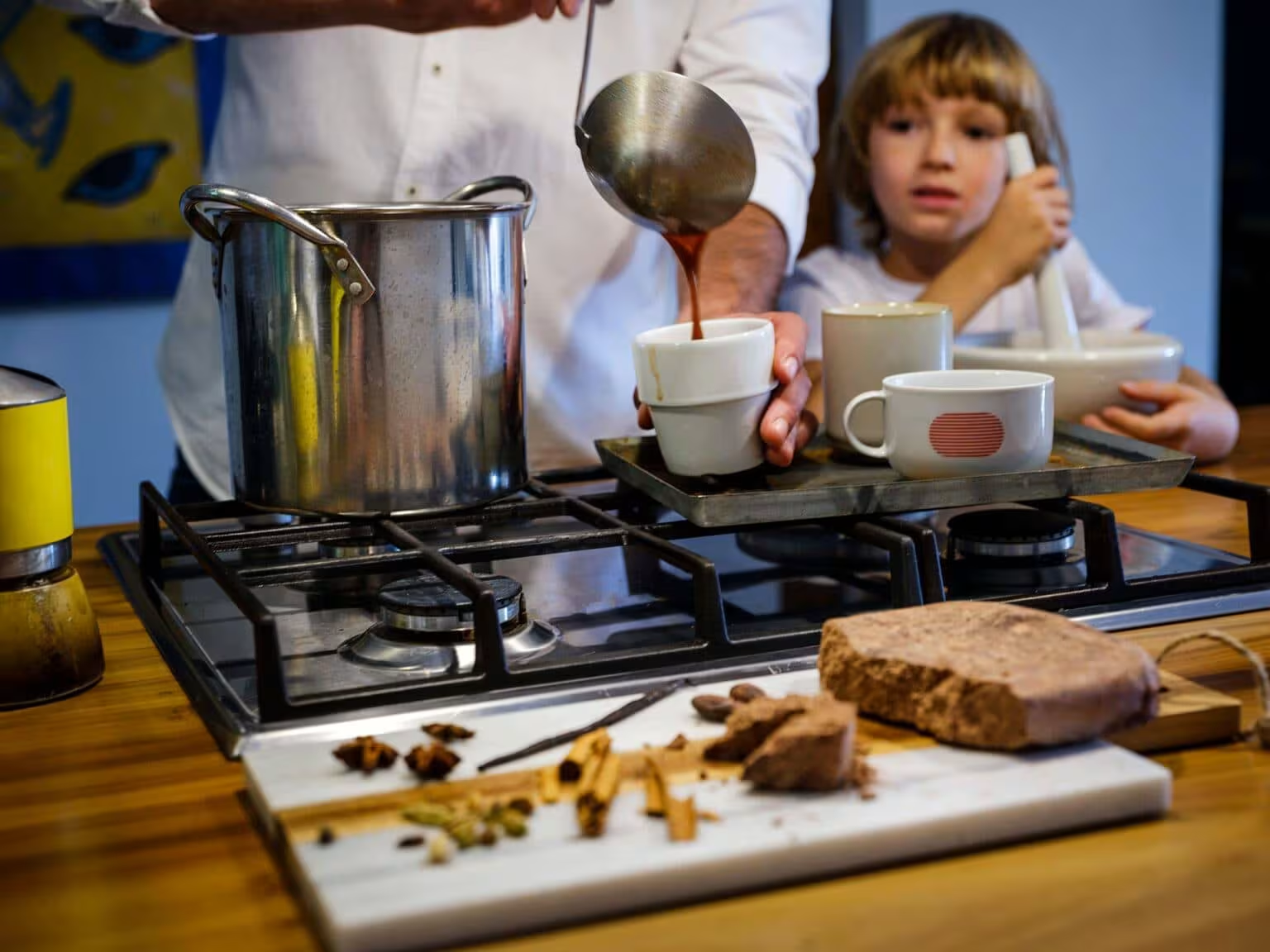
However, if we have already prepared or simply purchased ready-made ceremonial cocoa, there are many ways in which we can make the drink itself! It is said that real cocoa works best and tastes best in the traditional form used by the indigenous peoples of America. Approximately 10-20 grams of ceremonial cocoa block is mixed with water or plant-based milk (approximately 250 ml) and seasoned with chilli, vanilla, cinnamon or cardamom. The cocoa block should be lightly crushed with a knife beforehand. You can sweeten the whole thing with honey.
However, this is not the only method of preparing a cocoa drink! We advise you to try them all, because each of them changes the final obtained taste of the drink.
5 recipes for a drink made from real cocoa
Traditional recipe from South America
Grind 10-20g of cocoa from the block with a knife and mix with hot water/vegetable milk (about 250ml). Add spices as desired: you can use chili, vanilla, cinnamon, cardamom, for example. Boil and or blend. If you feel like a sweet drink, add some honey at the end. Done!
Cocoa from a blender
Blend 10-20g of cocoa with hot water/plant-based milk (approx. 250ml) using a blender. This is the quickest method of preparation. Cocoa prepared in this way has a silky texture and a taste similar to milk chocolate, and also has a mild stimulating effect.

Dissolved cocoa
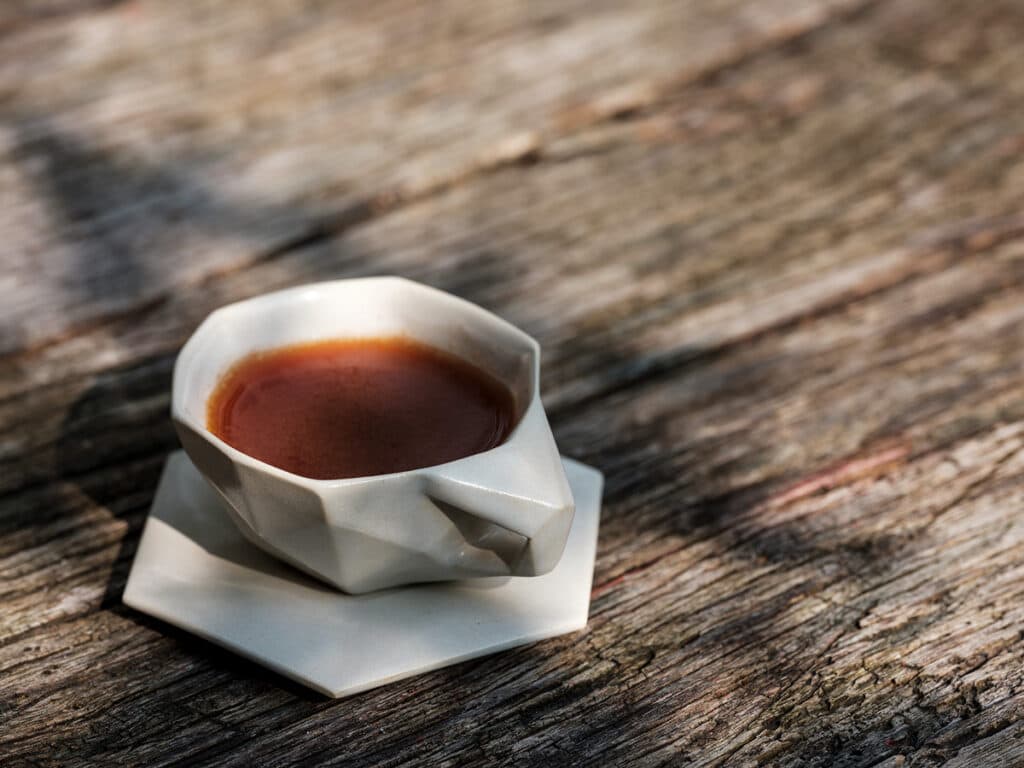
Dissolve 10-20g of cocoa in a pot of hot water or plant milk (about 250ml). Note: the temperature should be about 70 degrees Celsius! Keep an eye on not to make the concoction boil! The cocoa will be thicker and more intense in flavor relative to the recipe with a blender. This is how cocoa is most often prepared during ceremonies: it has the properties of calming and stimulating at the same time, giving a shot of positive, relaxing energy.
Cooked cocoa
Dissolve 10-20g of cocoa in a pot of hot water or plant milk (about 250ml) and bring the substance to a boil. Cook for another 3 minutes. Such cocoa retains most of its nutritional value, but is easily digestible and gently stimulates.
Cocoa cooked for a long time
Dissolve 10-20g of cocoa in a pot of hot water or plant milk (about 250ml), bring to a boil and cook for 30 minutes. At the end, add spices (e.g. vanilla, cinnamon) and honey. Such cooking breaks down the fiber contained in the cacao, and gives the drink a thin consistency.
Downloadable recipe for ceremonial cocoa
Does cooking destroy cocoa ingredients?
Most of the active substances contained in cocoa have fairly high decomposition temperatures, so cooking at 100 degrees Celsius does not harm them. However, some vitamins may be decomposed.
Learn about the properties of cocoa..
Is cocoa kosher?
Yes, according to this website: https://www.koszernapolska.pl/herbata-kawa-kakao, any 100% natural cocoa is kosher.
Do we dissolve cocoa in cow's milk or water?
It is definitely better to use water or plant milk, but you can use cow's milk if someone is fine with such.
Does ceremonial cocoa fatten?
Ceremonial cocoa is a high-calorie product, so drinking 20-30g in a beverage can replace our meal. However, it is a meal full of valuable substances, so as long as we do not add sugar to cocoa, it can hardly be called fattening. There is also additional good news: after ceremonial cocoa you generally do not want to eat.
How many calories does 100% cocoa have?
100 grams of cocoa has about 600 kcal. If we assume that for a cup of 250 ml. we need 20 grams of cocoa, it comes out that a decent cup of ceremonial cocoa has 120 kcal.
What can be added to ceremonial cocoa?
Anything that is healthy and tastes good to us, i.e. honey, vanilla (not vanillin), cardamom, nutmeg, chili or cinnamon.
Cocoa protip: do not boil cocoa together with cinnamon, because the consistency of such a prepared drink leaves much to be desired! Cinnamon and other spices are best added at the very end.
What are the contraindications to drinking cocoa?
Real cocoa is a mild stimulant, so it is not recommended to drink it before bedtime or in combination with other energizing substances (such as coffee) or drugs that affect the nervous system. When in doubt, take advice from your doctor or pharmacist!
Can real 100% cocoa be drunk by children?
Yes, they can, but the dose of cocoa should be correspondingly smaller.
Can I drive a car after cocoa?
Yes, if you have not drunk more than 40 grams. Then it is best to wait a few hours.
How much ceremonial cocoa can I drink?
The dose that is usually taken during a cocoa ceremony is about 40-50 grams, and it is not recommended to exceed it. Ceremonial cocoa tastes good with as little as 10-20 grams per cup.
How to drink cocoa?
Cocoa is drunk slowly, in small sips. Depending on your preference hot, warm or cold.
For the photos in this post, we thank Matthew Torbus of Torb.us - Culinary Photography.